20 Aug 2026
Examining Technical Frameworks Behind Slot Machine Integrations with Lottery-Style Features in Regulated European Platforms
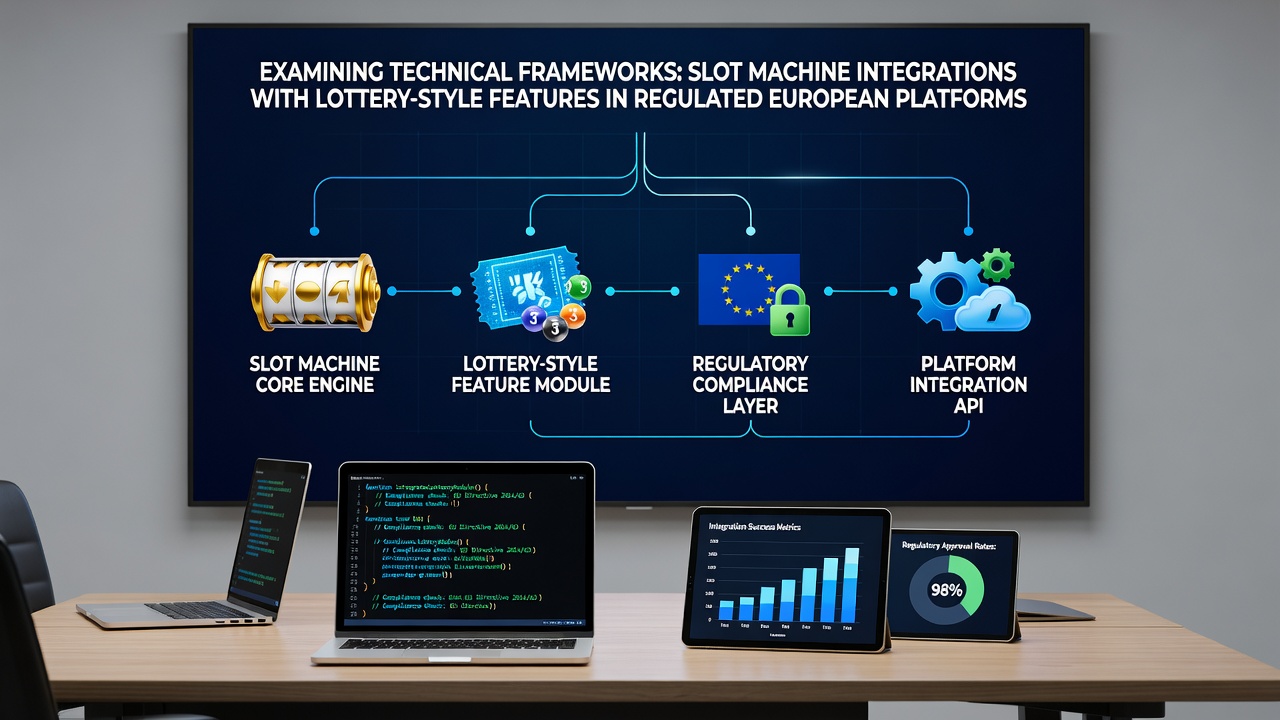
Technical frameworks that merge slot machine operations with lottery-style elements rely on centralized servers, standardized protocols, and certified random number generators that operate across multiple jurisdictions. These systems connect individual gaming terminals to shared prize pools managed through lottery backends, allowing features such as progressive jackpots and periodic draws to function alongside traditional reel mechanics. Data from industry reports shows that European operators have adopted server-based gaming architectures since the early 2010s to meet regulatory demands for transparency and auditability.
Core Components of Integrated Systems
Server-based gaming platforms form the foundation for these integrations, where game logic resides on remote servers rather than local terminals, enabling real-time updates and centralized control. Random number generators certified under standards like those from the European Committee for Standardization produce outcomes that feed into both slot sequences and lottery draw simulations. Application programming interfaces handle communication between slot software and lottery management modules, ensuring that jackpot contributions accumulate across player bases while maintaining separation between game types. Observers note that this architecture reduces hardware variability and supports compliance checks conducted by national authorities.
Protocols such as the Gaming Standards Association's Game to System specification facilitate data exchange, including bet tracking, win reporting, and pool synchronization. Lottery-style features often incorporate time-based triggers or accumulation thresholds that activate secondary draws, with results verified through independent certification labs. Research indicates that these technical layers require redundant failover mechanisms to prevent service interruptions during high-volume periods.
Regulatory Compliance Mechanisms Across Europe
European platforms must align integrations with directives from bodies including the Malta Gaming Authority and the Swedish Gambling Authority, which mandate segregated accounts for lottery contributions and regular third-party audits. Technical logs capture every transaction that affects shared prize pools, creating immutable records accessible during inspections. Figures from regulatory summaries reveal that compliance reporting cycles occur quarterly, with automated alerts triggered when pool balances exceed predefined thresholds. Systems incorporate geo-fencing and player verification modules to restrict access based on location and age requirements enforced by each member state.
Implementation Examples in Operational Environments
One documented deployment in a multi-jurisdictional network linked slot terminals in several countries to a central lottery server hosted in a licensed data center. This setup allowed progressive jackpots to build from combined wagers while separate draw events ran on scheduled intervals, with cryptographic hashing applied to ensure result integrity. Another configuration integrated instant-win lottery tickets as bonus rounds within slot sessions, using the same random number generator stream but routing outputs through distinct validation paths. Data shows that such dual-mode operations demand precise timestamp synchronization to avoid discrepancies during cross-border settlements.
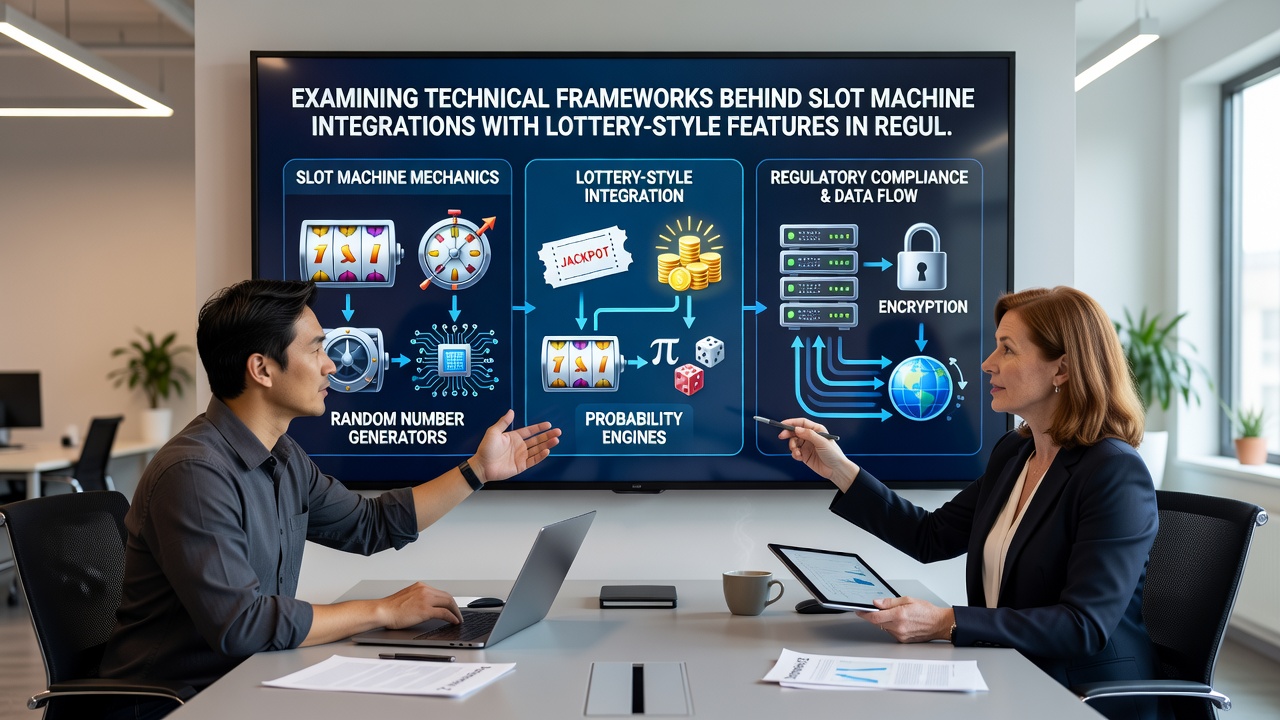
Operators have reported that middleware layers manage state transitions between slot spins and lottery events, logging each step for traceability. These layers also enforce contribution percentages defined by licensing conditions, directing portions of stakes into guaranteed prize funds. Experts have observed that database partitioning keeps slot session data separate from lottery pool records, which simplifies reconciliation processes required by auditors.
Technical Challenges and Solutions
Latency management becomes critical when lottery draws must occur simultaneously with active slot play across distributed networks. Solutions include edge computing nodes that cache recent game states and reduce round-trip times to central servers. Security protocols employ end-to-end encryption for all prize pool updates, while intrusion detection systems monitor for anomalous access patterns. Studies from research institutions indicate that regular penetration testing forms part of certification renewals, with findings incorporated into framework updates.
Scalability considerations arise as player volumes increase, prompting the use of containerized deployments that allow dynamic resource allocation. Integration testing suites simulate concurrent lottery draws and slot sequences to verify that neither feature experiences interference. According to data published by the European Gaming and Betting Association, standardized testing environments have shortened approval timelines for new feature releases.
Developments Anticipated by August 2026
Updates to technical standards scheduled around August 2026 focus on enhanced interoperability between slot platforms and emerging lottery technologies, including blockchain-based verification for certain prize distributions. Regulatory consultations currently underway address requirements for real-time reporting interfaces that feed directly into supervisory dashboards. Platforms preparing for these changes have begun pilot programs that test expanded API endpoints capable of handling increased data granularity without performance degradation.
Conclusion
Technical frameworks supporting slot and lottery integrations in regulated European environments combine server architectures, certified generators, and compliance tools to deliver coordinated gaming experiences. Continued evolution of these systems depends on alignment with evolving standards and operational data collected across multiple markets. As implementations mature, the emphasis remains on maintaining verifiable processes that satisfy both technical and regulatory criteria.