2 Sep 2026
Inside France's Regulated Gaming Mix: How Slot and Lottery Hybrids Shape Bonus-Driven Progressive Outcomes
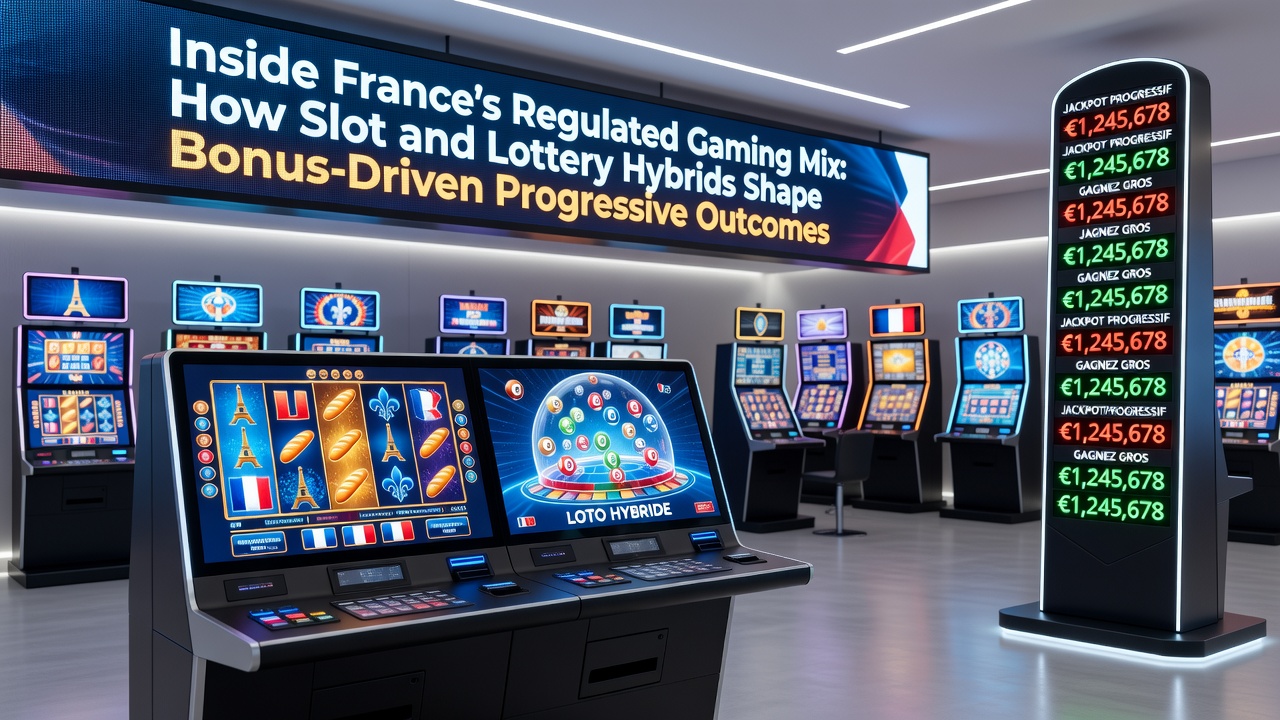
France maintains a tightly controlled gaming environment where slot machines and lottery systems blend under strict oversight from the Autorité Nationale des Jeux, creating hybrid formats that tie bonus features directly to progressive jackpot pools. These combinations allow operators to merge random number generators from slots with draw-based lottery mechanics, resulting in bonus rounds that feed into shared progressive outcomes across multiple venues and online platforms.
Regulatory Framework Governing Hybrid Games
Operators must comply with licensing rules that separate traditional lottery draws from electronic gaming devices, yet the law permits specific integrations when bonus mechanics align with progressive contribution requirements. Data from regulatory filings shows that hybrid approvals increased steadily through 2025, with additional certifications issued in September 2026 for systems that link slot reel bonuses to national lottery-style accumulators. Those certifications require transparent reporting of contribution percentages, ensuring each wager allocates fixed portions to both local bonuses and the overarching progressive meter.
Technical Integration of Slots and Lottery Elements
Hybrid machines combine video slot interfaces with periodic lottery ticket generation, where players trigger bonus sequences that convert accumulated credits into entries for larger draws. The progressive outcomes depend on synchronized pools that update in real time, pulling from both land-based terminals and authorized online channels. Research from the European Gaming and Betting Association indicates that these systems maintain separate randomizers for base games and bonus lotteries, preventing overlap while allowing seamless player transitions between formats.
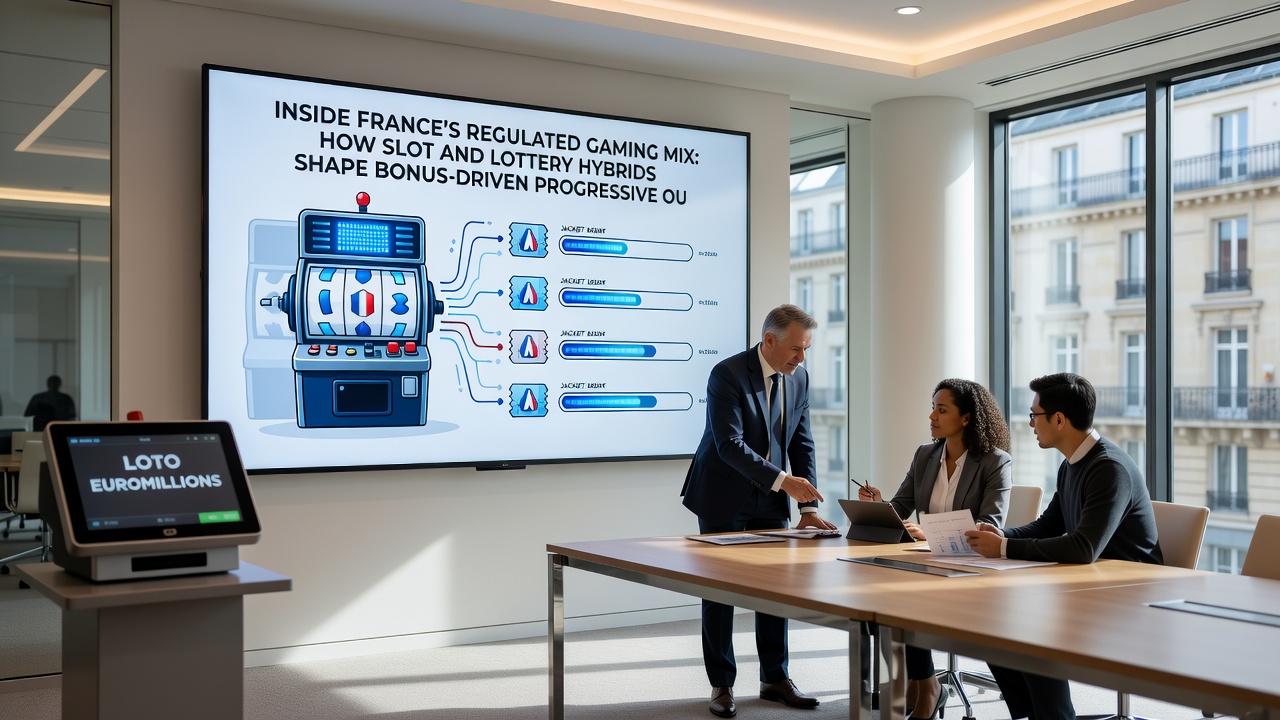
Bonus-driven progressives operate through tiered structures in which minor slot wins feed mid-level meters and major triggers contribute to top-tier jackpots shared across the network. In practice, a player completing a bonus round on a hybrid terminal sees their stake portion added to both an immediate prize and the progressive total, with the latter visible on networked displays. This dual contribution model requires precise auditing to confirm that each transaction meets minimum allocation thresholds set by French regulations.
Bonus Mechanics and Progressive Pool Dynamics
Bonus features in these hybrids often incorporate lottery-style number selections during free spin or pick-and-win sequences, with selected numbers determining additional contributions to the progressive pool. Operators report that September 2026 updates introduced new protocols for real-time pool synchronization, reducing latency between physical and digital platforms. Figures from industry reports reveal that average progressive hit frequencies for hybrid titles range from one in several million plays for top tiers down to more frequent mid-tier awards, maintaining player engagement without violating payout ratio mandates.
Those who monitor system performance note that seed funding for new progressive cycles comes from operator reserves rather than player wagers, ensuring continuity when a jackpot resets. The rules also cap the speed at which pools can grow, tying maximum contribution rates to overall game volatility ratings assigned during certification. This approach keeps outcomes predictable from a regulatory standpoint while allowing creative bonus designs that blend slot visuals with lottery draw animations.
Market Data and Operational Patterns
Market statistics compiled through 2026 show hybrid games accounting for a growing share of regulated gaming revenue in France, particularly in regions where both casino floors and online portals operate under unified licenses. Progressive outcomes tied to these titles demonstrate higher average payout values compared to standalone slots, largely because the lottery component draws from a broader participant base. Observers point to case studies where a single large hybrid progressive paid out across multiple sites simultaneously, illustrating the cross-platform linkage that French rules explicitly support when contribution tracking remains auditable.
Technical standards require encryption of all pool data transmissions and regular third-party verification of random number integrity for both slot and lottery modules. In September 2026, several operators completed upgrades to meet enhanced cybersecurity benchmarks that protect progressive meters from external interference. These measures align with broader European efforts to standardize electronic gaming safeguards across member states.
Conclusion
France's approach to regulated gaming continues to evolve through measured integration of slot and lottery hybrids that channel bonus activity into progressive structures. The framework emphasizes verifiable contribution flows, synchronized pools, and tiered bonus mechanics that deliver outcomes consistent with licensing conditions. As systems receive further certifications and September 2026 protocol updates take full effect, the model provides a documented example of how distinct gaming formats can coexist under unified progressive systems while remaining within established regulatory boundaries.